Last updated on July 26th, 2026 at 11:47 am
Introduction to B2C AI SEO
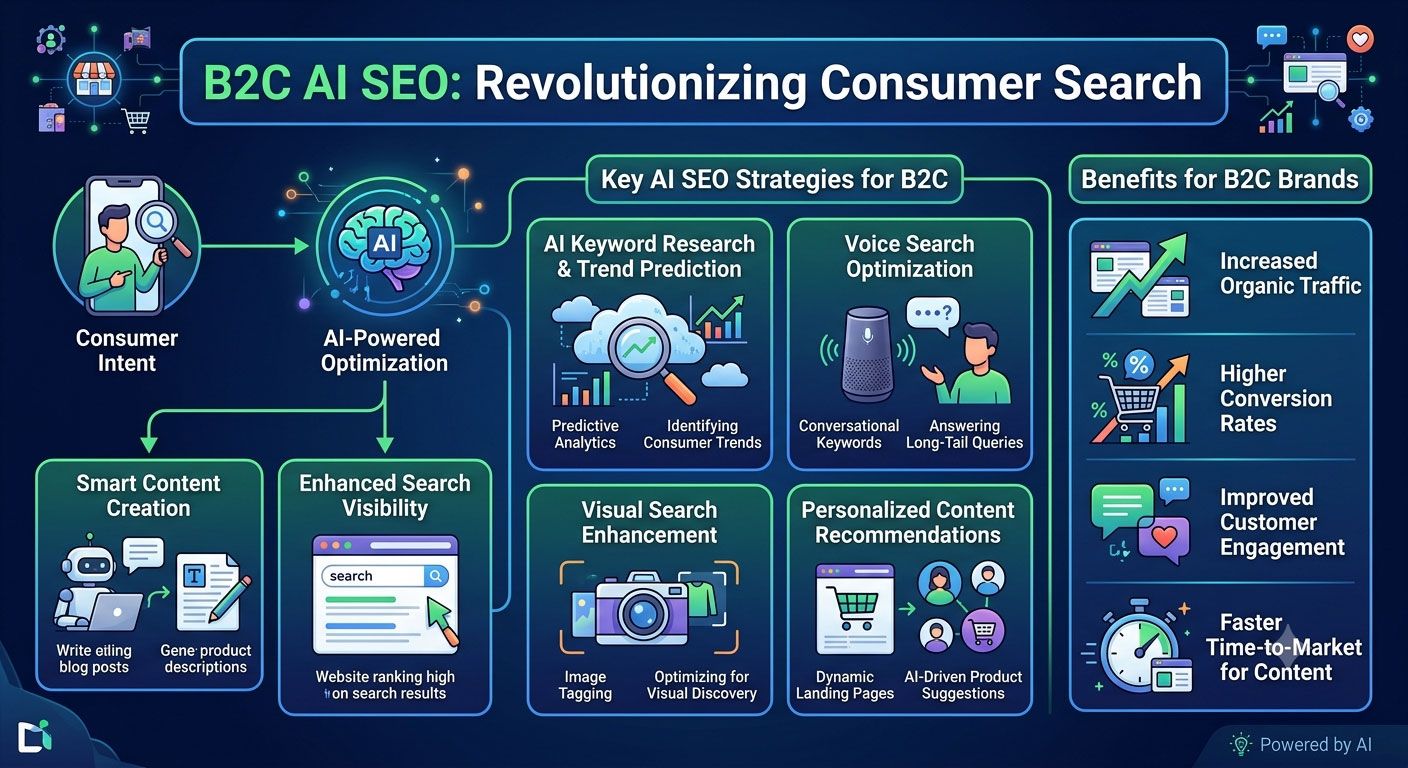
In today’s dynamic digital landscape, connecting with consumers has become more complex than ever. As businesses strive for relevance and visibility, the integration of AI into B2C SEO is reshaping the marketing playbook. B2C AI SEO is more than a trend; it’s a transformative force that leverages artificial intelligence to refine how brands reach and engage their audiences. By understanding and implementing these advanced strategies, businesses can tap into new levels of customer interaction and loyalty.
The essence of B2C AI SEO lies in its ability to personalize user experiences, making each interaction unique and valuable. Through AI, companies can analyze vast amounts of data to predict consumer behavior, optimize content, and enhance user engagement. This isn’t just about attracting clicks; it’s about building meaningful connections that resonate with consumers on a deeper level.
As we delve into the transformative power of B2C AI SEO, it’s crucial to recognize the potential it holds for revolutionizing marketing strategies. By harnessing AI, businesses can not only improve their search engine rankings but also create a more tailored, responsive, and efficient digital presence.
How B2C AI SEO Can Connect You With Customers
The primary advantage of B2C AI SEO is its ability to enhance customer connection through personalization and precision. AI algorithms can sift through consumer data to identify patterns and preferences, enabling businesses to tailor their strategies to meet individual needs. This level of personalization fosters stronger relationships, turning casual visitors into loyal customers.
Moreover, B2C AI SEO facilitates real-time interaction and engagement. Through AI-driven analytics, businesses can track consumer behavior as it happens, allowing for immediate adjustments in marketing tactics. This dynamic approach ensures that content and offers remain relevant, increasing the likelihood of conversion and customer satisfaction.
Implementing B2C AI SEO effectively bridges the gap between brands and their audiences. By delivering personalized content that speaks directly to consumer interests, businesses can increase their visibility and authority in the digital marketplace. The result is a more engaged, satisfied customer base that is more likely to advocate for the brand.
How B2C SEO Bridges the Gap to Consumers
B2C SEO plays a pivotal role in bridging the gap between businesses and consumers by making content more accessible and appealing. SEO strategies that integrate AI allow for a nuanced understanding of consumer intent, guiding businesses to craft content that directly addresses what their audience is searching for.
The use of AI in SEO ensures that keywords and content are optimized not just for search engines, but for human readers as well. This dual optimization increases the likelihood that content will appear in search results, capturing the attention of potential customers. By focusing on delivering value and relevance, businesses can enhance their online presence and foster trust with consumers.
Furthermore, B2C SEO powered by AI provides insights into consumer behavior that were previously unattainable. This information allows businesses to anticipate trends and tailor their strategies accordingly, ensuring that they remain ahead of the competition. By continuously refining their approach, businesses can maintain a strong connection with their audience and drive sustainable growth.
Essential Technical Foundations for B2C Success
Achieving success in B2C marketing with AI SEO requires a solid technical foundation. This starts with a well-designed website that is both user-friendly and optimized for search engines. A responsive design, fast loading times, and intuitive navigation are critical components that enhance user experience and improve search rankings.
Structured data is another important element, as it helps search engines understand the content of a page more effectively. By implementing schema markup, businesses can improve their visibility in search results, leading to higher click-through rates and engagement. This technical optimization is crucial for leveraging the full potential of B2C AI SEO.
Additionally, businesses must ensure that their digital infrastructure supports AI-driven analytics and insights. This includes investing in tools and platforms that can process and interpret large datasets, providing the actionable information needed to refine marketing strategies. By building a robust technical foundation, businesses can effectively harness AI SEO to connect with their customers.
Preparing for the Future of Search
The future of search is rapidly evolving, and businesses must be prepared to adapt. AI is set to play an even more significant role, transforming how search engines operate and how users find information. To stay competitive, businesses must stay informed about these changes and adjust their strategies accordingly.
Voice search and conversational AI are two emerging trends that are reshaping the search landscape. As more consumers use voice assistants to find information, businesses must optimize their content for these new modes of search. This involves focusing on natural language processing and ensuring that content is easily accessible via voice queries.
Moreover, the rise of AI-driven search engines means that traditional keyword strategies may no longer suffice. Businesses must focus on creating high-quality, relevant content that answers user queries comprehensively. By preparing for these shifts, businesses can ensure they remain visible and relevant in the ever-changing digital landscape.
How AI Has Changed B2C Search Behavior
AI has significantly altered B2C search behavior by making it more intuitive and personalized. Search engines now use machine learning algorithms to deliver results that are tailored to individual preferences and browsing history. This means that businesses must focus on creating content that not only ranks well but also resonates with users on a personal level.
The integration of AI into search engines has also led to the rise of zero-click searches, where users find the information they need directly on the search results page. For businesses, this means prioritizing featured snippets and optimizing content to appear in these coveted positions. By understanding these changes, businesses can refine their strategies to align with evolving consumer behavior.
AI-driven analytics provide businesses with deeper insights into how consumers interact with their content. This data allows for more targeted marketing strategies, ensuring that the right message reaches the right audience at the right time. By leveraging these insights, businesses can enhance their customer connections and drive greater engagement.
Actionable Strategies to Connect with Customers via AI SEO
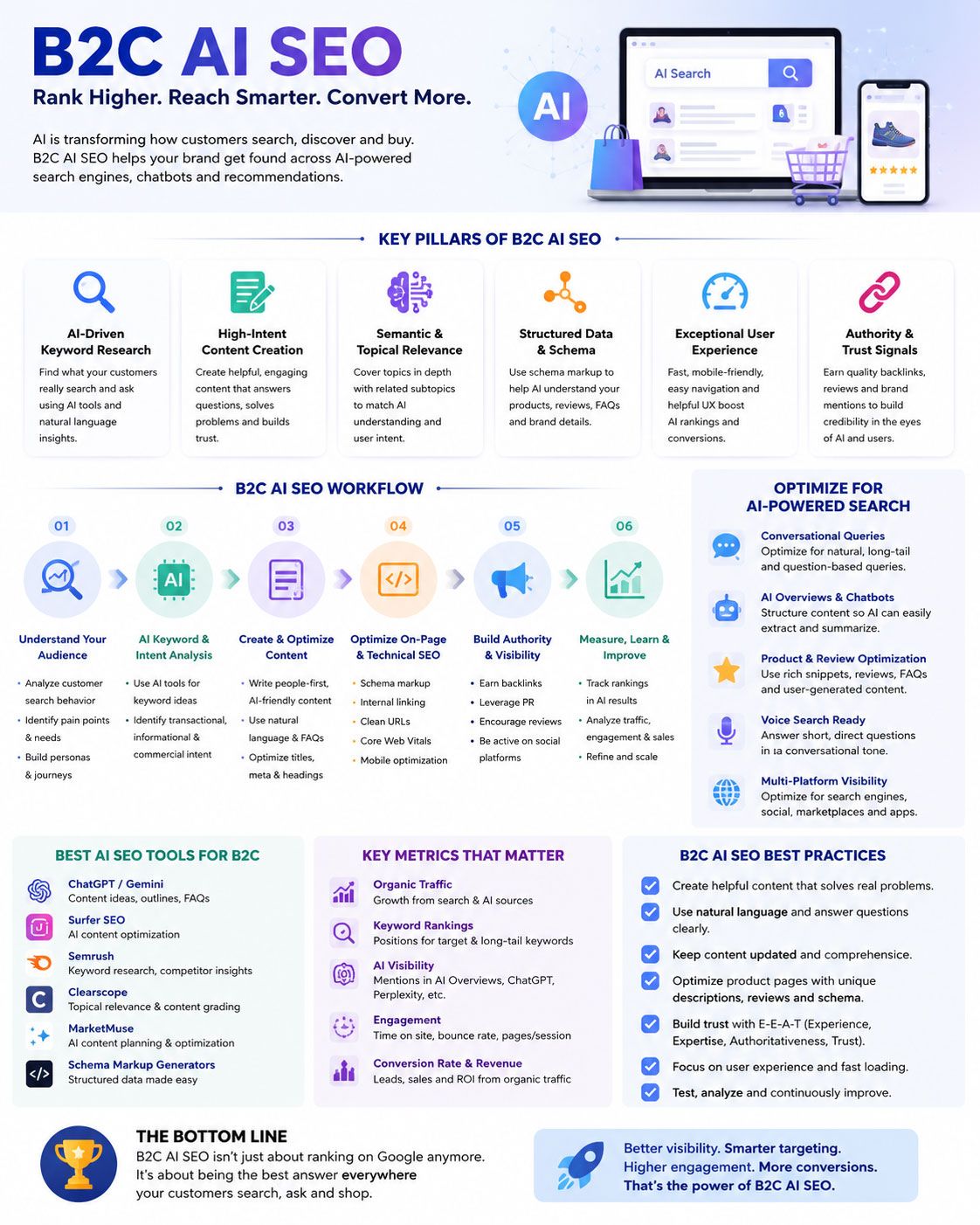
To effectively connect with customers using AI SEO, businesses must implement a series of actionable strategies. First, focus on creating personalized content that speaks directly to the needs and interests of your audience. This involves using AI to analyze consumer data and tailor content accordingly, ensuring it is relevant and engaging.
Second, invest in AI-powered tools that can automate and optimize your SEO efforts. These tools can help identify keywords, analyze competitor strategies, and track performance metrics, allowing for more efficient and effective marketing campaigns. By leveraging AI technology, businesses can streamline their processes and maximize their reach.
Finally, prioritize continuous learning and adaptation. The digital landscape is constantly evolving, and businesses must be prepared to adjust their strategies to meet new challenges. This involves staying informed about emerging trends, experimenting with new tactics, and constantly refining your approach to better connect with your audience.
Quick Checklist: Traditional SEO vs. AI SEO
Traditional SEO:
- Focuses on keyword optimization.
- Relies on manual analysis and updates.
- Prioritizes link building and on-page optimization.
- Emphasizes static content strategies.
AI SEO:
- Utilizes AI to analyze and predict consumer behavior.
- Automates optimization processes for efficiency.
- Integrates dynamic, personalized content strategies.
- Adapts to real-time data and insights.
By understanding the differences between traditional and AI SEO, businesses can better align their strategies with modern consumer expectations and technological advancements.
Capturing AI Search and Conversational Queries
Capturing AI search and conversational queries requires a shift in how businesses approach content creation. With the rise of voice search and conversational AI, consumers are using more natural, spoken language to find information. To capture these queries, businesses must optimize their content for conversational phrases and questions.
This involves focusing on long-tail keywords and natural language processing. By understanding how consumers phrase their queries, businesses can create content that addresses these specific needs. Additionally, ensuring that content is easily accessible via voice search can enhance visibility and engagement.
Moreover, businesses should consider implementing chatbots and AI-driven customer service tools. These tools can provide immediate responses to consumer inquiries, improving the overall user experience and fostering stronger connections with customers.
How B2C AI SEO Can Connect You With Customers in India and Other Countries
Expanding the reach of B2C AI SEO to international markets, such as India, involves understanding the unique cultural and linguistic nuances of each region. This requires businesses to tailor their content and strategies to align with local preferences and search behaviors.
Localization is key to successfully connecting with customers in different countries. This involves translating content accurately and ensuring it resonates with the cultural context of the target audience. By investing in localization, businesses can enhance their global reach and build stronger relationships with international consumers.
Additionally, understanding regional search trends and consumer behavior is crucial. AI-driven analytics can provide insights into these patterns, allowing businesses to refine their strategies and better connect with diverse audiences. By embracing a global approach to B2C AI SEO, businesses can unlock new opportunities for growth and expansion.
FAQs
Q: What is B2C AI SEO?
A: B2C AI SEO is the integration of artificial intelligence into business-to-consumer search engine optimization strategies, enhancing personalization, efficiency, and consumer engagement.
Q: How does AI improve SEO strategies?
A: AI improves SEO by analyzing consumer behavior, automating optimization processes, and providing personalized content recommendations based on data-driven insights.
Q: What are the benefits of using AI in SEO?
A: Benefits include increased personalization, improved efficiency, better consumer insights, enhanced content optimization, and stronger connections with audiences.
Q: How can businesses prepare for the future of AI-driven search?
A: Businesses can prepare by investing in AI-powered tools, optimizing content for voice search, staying informed about emerging trends, and continuously refining their strategies.
Conclusion
The integration of AI into B2C SEO is not just a technological advancement; it’s a strategic necessity for businesses looking to stay competitive in a rapidly evolving digital landscape. By understanding and implementing AI-driven strategies, businesses can enhance their customer connections, improve their search visibility, and drive sustainable growth.
As we move forward, it’s essential for businesses to embrace the opportunities presented by AI in SEO. By doing so, they can unlock new levels of engagement, build stronger customer relationships, and secure their place in the future of digital marketing.
Sum Up
In conclusion, B2C AI SEO offers a powerful avenue for businesses to connect with their audiences in more meaningful ways. By leveraging AI technology, companies can enhance personalization, optimize their SEO strategies, and prepare for the future of search. As the digital landscape continues to evolve, those who embrace these advancements will be well-positioned to thrive.
Ready to transform your marketing strategy with B2C AI SEO? Start by exploring AI-powered tools and insights to optimize your digital presence and connect with your audience like never before. The future of search is here—don’t miss out on the opportunity to lead the way.